

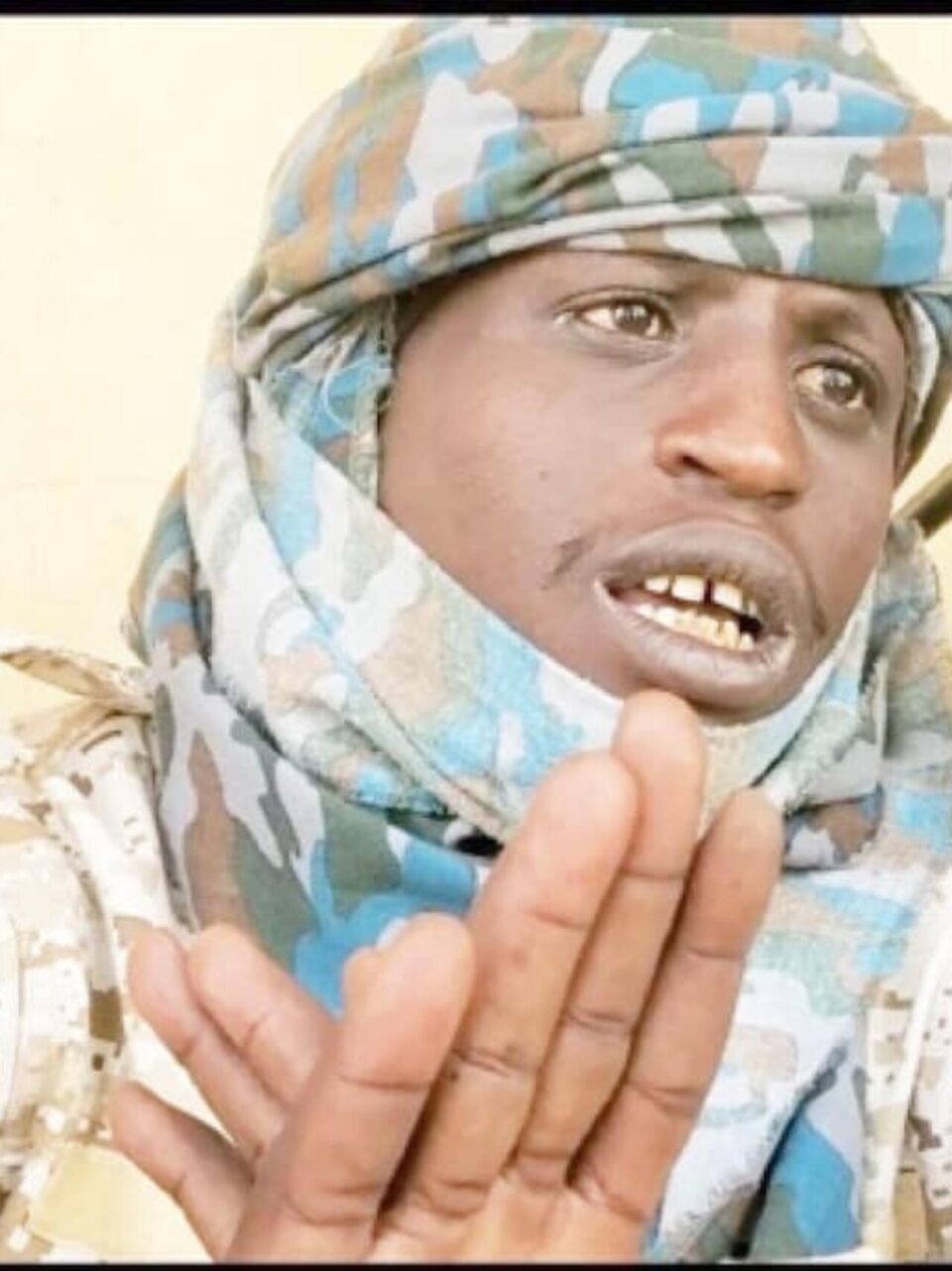
By MOHAMMED DANBABA
Nigeria’s most wanted terror kingpin, Turji Bello, has narrowly evaded arrest following an intense, multi-layered security operation that spanned Zamfara, Sokoto, Niger, and Kebbi states, according to multiple intelligence and security sources familiar with the operation.
The latest development underscores both the scale of Nigeria’s counterterrorism push and the growing sophistication of armed groups operating across the country’s northwest and northeast corridors.
How Turji Bello Slipped Away from Zamfara
Security sources revealed that Turji Bello had remained hidden for weeks inside the Kwiambana forest in Zamfara State. However, sustained surveillance pressure, rising temperatures, and near-constant aerial monitoring made the location increasingly unsafe.
As a result, the terror leader reportedly relocated to the Munhaye forest, an area straddling the borders of Kaduna and Niger states. Intelligence operatives tracking his movements believed he was on the verge of capture before he executed a carefully timed escape under the cover of darkness.
This Turji Bello escape from Zamfara marked a critical turning point in an operation that had been weeks in the making.
Use of Satellite Communication Raises New Security Concerns
Investigators disclosed that Turji Bello relied heavily on satellite-based internet communication to monitor aerial reconnaissance activity. According to intelligence assessments, such technology allows militant leaders to detect unusual air movements and adjust their positions rapidly.
Security analysts say this growing reliance on satellite internet services has complicated counterterrorism efforts, especially in remote forest regions where conventional tracking tools face limitations.
A senior government official previously acknowledged that unregistered satellite communication systems pose a serious challenge to Nigeria’s internal security architecture, particularly when used by non-state armed groups.
Escape Route Through Niger into Kebbi Forests
On the night of December 24, Turji Bello reportedly moved with a small convoy of armed men on motorcycles, crossing through bush paths into Niger Republic before re-entering Nigeria through the Wasagu forest area in Kebbi State.
Upon arrival, temporary shelters were erected, and caves within the forest were secured to serve as new hideouts. Livestock was also moved into the area, a tactic security experts say is often used to blend militant activity with routine rural life and reduce suspicion from local farmers.
Precision Strikes Against Terror Cells in Sokoto Axis
While Turji Bello managed to evade capture, Nigerian and allied forces launched a separate but coordinated operation targeting foreign-linked terror cells operating in Sokoto State.
Between the early hours of December 26, precision airstrikes were carried out against suspected Islamic State-linked enclaves in the Bauni forest area of Tangaza Local Government.
Officials confirmed that the strikes followed extensive intelligence gathering and successfully neutralized multiple targets believed to be planning cross-border attacks from the Sahel region.
Importantly, authorities stated that no civilian casualties were recorded, even though debris from the operation was reported in parts of Sokoto and Kwara states.
Federal Government Confirms Joint Counterterrorism Effort
Nigeria’s Minister of Information and National Orientation, Mohammed Idris, confirmed the operation in an official statement, emphasizing that the strikes were conducted in close coordination with international partners.
According to him, intelligence indicated that the affected locations served as staging grounds for extremists attempting to infiltrate Nigeria and destabilize border communities.
He reassured Nigerians that the government remains fully in control of the nation’s security framework and committed to protecting lives, property, and territorial integrity.
Ongoing Manhunt Across Northern Forests
Despite Turji Bello’s escape, security operations have intensified across forests in the North-East and North-West. Elite Nigerian Army units, including specialized strike and reconnaissance teams, are reportedly working alongside international partners to dismantle remaining terror networks.
Undercover operatives and advanced surveillance platforms continue to monitor movement patterns, funding routes, and supply chains linked to armed groups.
Security sources confirmed that these operations are part of a broader strategy aimed at cutting off logistics, finances, and safe havens used by terror leaders like Turji Bello.
Funding Networks and Criminal Economy Exposed
Intelligence briefings reviewed by this reporter indicate that Turji Bello’s operations are sustained through a mix of criminal activities, including cattle rustling, kidnapping for ransom, illegal taxation of rural communities, arms trafficking, and illicit mining.
Sources further alleged that his network benefits from cross-border smuggling routes and informal financial channels, some of which have previously been linked to individuals sanctioned or convicted for terror financing.
Authorities say ongoing investigations are focused on dismantling these funding pipelines as a key step toward permanently neutralizing high-profile terror figures.
What the Escape Means for Nigeria’s Security Push
While the Turji Bello escape from Zamfara represents a temporary setback, security experts argue it also highlights improved intelligence coordination and increased pressure on terror groups.
“The operational net is tightening,” one senior security source said. “These groups are being forced to move constantly, which weakens their command structure and exposes them to mistakes.”
For communities affected by years of violence, the hope remains that sustained operations will eventually translate into lasting peace and restored livelihoods.
#TurjiBello #NationalSecurity #ZamfaraCrisis #NigeriaTerrorism #CounterTerrorism #NorthWestNigeria #SecurityOperations
