

By DAYO ADESULU
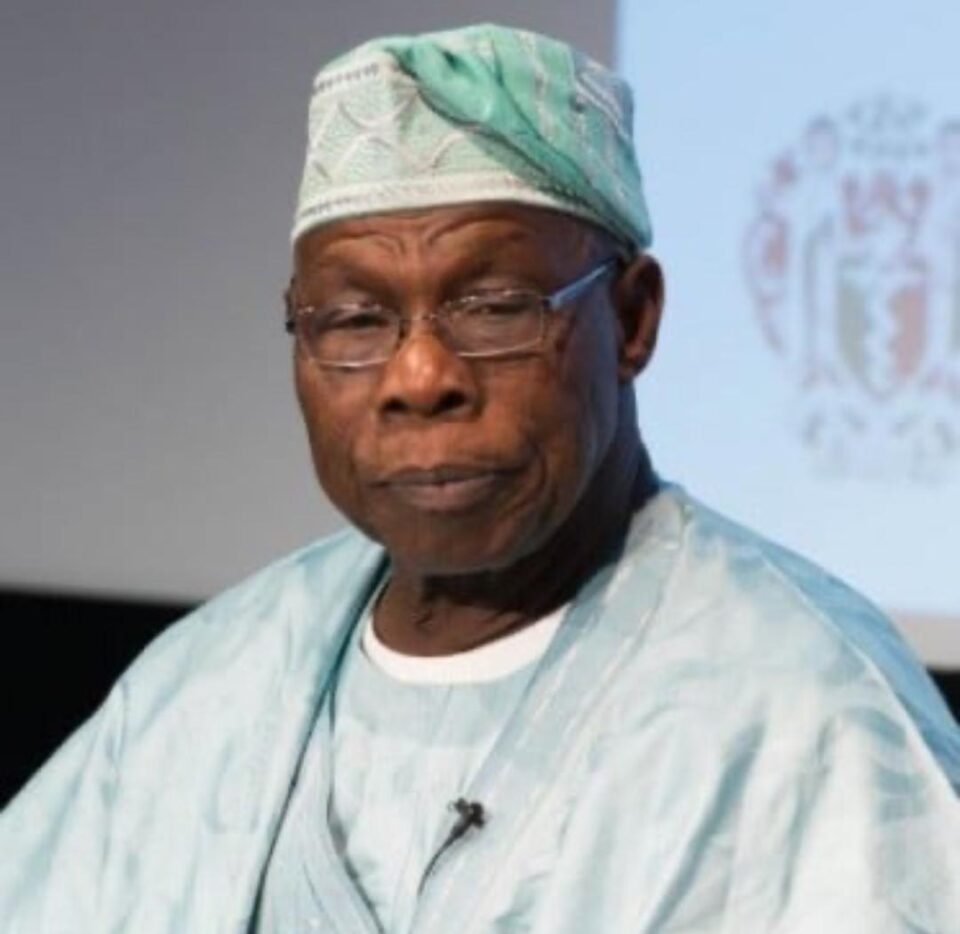
ABEOKUTA — The Leadership Institute (OOLI) has celebrated its inaugural Founder’s Day in honour of Nigeria’s former president as he turned 89, marking a milestone that highlights decades of leadership, diplomacy, and institution building across Nigeria and Africa.
The event, held at the in Abeokuta, drew dignitaries, scholars, diplomats, and alumni of the institute who gathered to celebrate the life and influence of the former military head of state and democratically elected president.
For many participants, Obasanjo at 89 represents more than a birthday. Instead, it reflects the enduring impact of a leader who has played a central role in Nigeria’s political transitions and continues to shape leadership conversations across the continent.
Obasanjo at 89: A Life Framed by Service and Leadership
Born on March 5, 1937, has held some of the most influential positions in Nigeria’s history. He first served as military head of state from 1976 to 1979, before later becoming the country’s democratically elected president between 1999 and 2007.
His military administration oversaw Nigeria’s first peaceful transfer of power to a civilian government in 1979. Two decades later, he returned as an elected leader during the country’s transition from military rule to democracy in 1999.
At the Founder’s Day event, Obasanjo described reaching the age of 89 as an expression of divine grace rather than personal achievement.
According to him, longevity should inspire continued service to humanity rather than self-celebration.
“Today is more about the grace of God than about age,” he said while addressing participants and guests at the gathering.
Obasanjo noted that Africa’s greatest challenge remains a leadership deficit rather than a shortage of resources, adding that strong institutions and visionary leaders remain essential to the continent’s development.
OOLI’s Mission to Shape Ethical African Leaders
The was created to address what its founder has long described as Africa’s leadership gap.
Through training programmes, research initiatives, and leadership courses, the institute aims to nurture a new generation of ethical and visionary leaders across sectors including governance, education, business, and civil society.
OOLI’s programmes emphasise discipline, integrity, service, and institution building as key elements for sustainable development.
A central part of the institute’s philosophy is Obasanjo’s “55+20 Leadership Framework.” The framework outlines 55 attributes and 20 core values that define effective leadership.
These include qualities such as listening, inquiry, vision, and transformation. Meanwhile, the values emphasise dependability, gratitude, self-discipline, and moral responsibility.
Institute officials say the framework continues to guide leadership training for participants drawn from across Africa and other parts of the world.
Leaders Pay Tribute to Obasanjo’s Global Influence
Several speakers at the event praised Obasanjo’s contributions to governance, diplomacy, and continental development.
Retired Nigerian Army General , Director of the institute, described the former president as one of the most influential leaders of his generation.
According to him, Obasanjo combines vision, discipline, courage, and empathy — qualities that define transformational leadership.
Deputy Chief Executive of OOLI, , also commended the founder’s ability to unite diverse communities and inspire collective purpose.
He said the institute itself stands as a testament to Obasanjo’s commitment to values such as integrity, accountability, resilience, and service.
Members of the institute’s alumni association also joined in celebrating the former president, describing his leadership journey as a source of inspiration for emerging leaders across continents.
They highlighted his roles in democratic struggles, peace mediation efforts, and continental advocacy as defining aspects of his public service career.
Diplomatic Recognition of Obasanjo’s African Statesmanship
The celebration also attracted diplomatic voices who acknowledged Obasanjo’s role in strengthening African cooperation.
Haiti’s Ambassador to South Africa, , praised the former Nigerian leader for championing the unity of African states.
According to him, Obasanjo has played a significant role in advancing regional integration, strengthening continental institutions, and promoting diplomatic collaboration among African nations.
Observers widely regard the former president as a prominent advocate of continental economic integration, including support for initiatives such as the -backed .
Key Leadership Milestones Highlighted at Founder’s Day
Beyond celebrating Obasanjo at 89, organisers also reflected on several major milestones in his leadership journey.
These include:
- 47 years since the 1979 transfer of power from military rule to a civilian government in Nigeria.
- 27 years since his election as president in 1999, which helped restore democratic governance after years of military rule.
- Continued international engagement through peace mediation and global development advocacy.
- The steady growth of OOLI as a leadership institution designed to outlive its founder.
Participants said these milestones illustrate the long-term impact of Obasanjo’s leadership on Nigeria’s democratic development and Africa’s political evolution.
Obasanjo Urges New Generation to Lead with Integrity
During the celebration, Obasanjo used the opportunity to challenge young leaders to embrace responsibility and courage.
He stressed that leadership is both a burden and a privilege.
According to him, a single well-prepared leader can change the course of history.
He therefore urged graduates of OOLI programmes to view their certificates not merely as credentials but as mandates to serve society with integrity.
The former president also emphasised that Africa’s future will depend on leaders who are willing to strengthen institutions and prioritise the public good above personal interests.
Next Leadership Programme Scheduled for March
As part of its ongoing activities, the has scheduled its next Executive Programme for March 28, 2026.
The programme will bring together participants from diverse professional backgrounds across Africa, Europe, and other continents.
Organisers say the initiative is designed to deepen leadership capacity while promoting ethical governance and strategic thinking among emerging leaders.
A Legacy Still Shaping Africa’s Leadership Conversation
For observers, Obasanjo at 89 symbolizes more than longevity. It reflects the lasting influence of a statesman who continues to shape debates on governance, development, and leadership across Africa.
Through the institute bearing his name, the former president hopes to build a legacy institution capable of training leaders long after his generation.
For the participants who gathered in Abeokuta, that vision remains the ultimate purpose behind the celebration.
#ObasanjoAt89 #OlusegunObasanjo #LeadershipInAfrica #NigeriaPolitics #Abeokuta #AfricanLeadership #OOLI

19 comments
avanafil erection mechanism
avanafil erection mechanism
vardenafil 5 mg tablet reference
vardenafil 5 mg tablet reference
avanafil food interaction context
avanafil food interaction context
vardenafil 10 mg tablet notes
vardenafil 10 mg tablet notes
ivermectin side effects FAQ
ivermectin side effects FAQ
toradol duration
toradol duration
terbinafine nail fungus treatment
terbinafine nail fungus treatment
acular ketorolac dosing
acular ketorolac dosing
minoxidil 5mg oral
minoxidil 5mg oral
tadalafil manufacturers
tadalafil manufacturers
köpa semaglutid tabletter
köpa semaglutid tabletter
finasteride tablets 1mg
finasteride tablets 1mg
cenforce for sale finland
cenforce for sale finland
vidalista 80 mg reviews
vidalista 80 mg reviews
vidalista tadalafil 80
vidalista tadalafil 80
furosemide 40 mg oral tablet
furosemide 40 mg oral tablet
fluconazole for yeast infection
fluconazole for yeast infection
avanafil price australia
avanafil price australia
levitra
levitra