

By DAYO ADESULU
Across parts of northern Nigeria, many Christian communities worship under the shadow of fear. In several towns and villages, believers have endured kidnappings, violent attacks, and the destruction of places of worship. Families sometimes struggle to raise huge ransoms for abducted relatives, while some communities mourn loved ones who never returned.
Groups such as Boko Haram, ISWAP and other extremist factions have repeatedly targeted civilians in the region over the past decade. Churches have been burned, villages displaced, and countless families traumatized.
These painful realities have stirred deep concern among believers nationwide. Many now look toward Nigeria’s most influential Christian leaders and institutions, hoping for a stronger and more unified response.
The question echoing in many congregations is simple yet profound: Can the Nigerian Church rise together to defend and protect its people while advocating peace and justice?
A Time for Unity Among Christian Leaders
Nigeria’s Christian community is vast and diverse. From Pentecostal megachurches to historic denominations, millions gather weekly across the country to worship.
However, attacks against Christians rarely distinguish between denominations. Whether Catholic, Anglican, Pentecostal, or Evangelical, believers often face the same threats in vulnerable communities.
This reality calls for a renewed spirit of unity among church leaders.
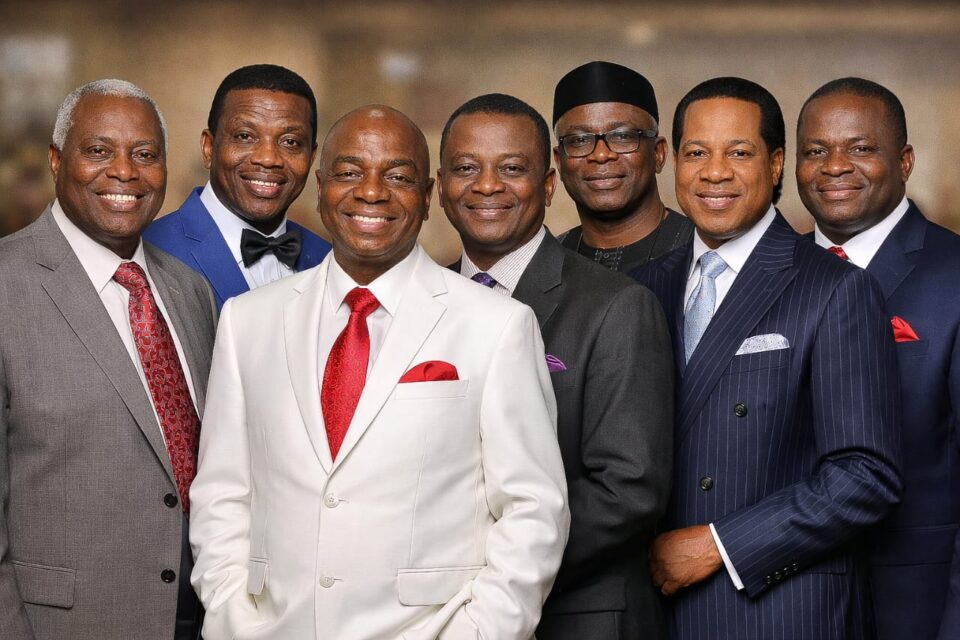
Influential figures such as Enoch Adeboye, William Folorunso Kumuyi, David Oyedepo, Chris Oyakhilome, Elijah Abina, Paul Adefarasin, Tunde Bakare, Lazarus Muoka, Daniel Kolawole Olukoya, Ayo Oritsejafor, and Yemi Osinbajo have each shaped millions of lives through decades of ministry.
Together, their collective voice carries enormous moral influence within both the Church and the nation.
This moment calls for that influence to be used collectively, strategically, and courageously.
The Need for Joint Prayer, Strategy, and Dialogue
The Nigerian Church has always believed in the power of prayer. Yet history also shows that faith communities often combine prayer with thoughtful action during difficult times.
A powerful step forward would be for leaders across denominations to organize national gatherings dedicated to prayer, reflection, and coordinated strategy.
Such meetings could pursue several goals:
- Strengthen unity among Christian leaders
- Encourage communities facing persecution
- Develop coordinated advocacy for religious freedom
- Engage government leaders constructively on security concerns
Through united prayer and dialogue, the Church can speak with clarity while maintaining its commitment to peace and reconciliation.
The Role of Christian Institutions
National Christian bodies such as the and the already exist to represent the interests of believers.
Many Christians believe these organizations can play an even stronger role in mobilizing leaders, coordinating humanitarian assistance, and advocating for the safety of communities affected by violence.
When these institutions act decisively, they help amplify the voice of millions of believers across the nation.
Community Safety and Responsible Protection
Another subject increasingly discussed within Christian communities is safety.
In various regions of Nigeria, community-based security initiatives exist to support law enforcement in protecting villages from criminal activity. Faith communities can explore similar lawful approaches that strengthen cooperation with government security agencies.
Such efforts must always remain within the framework of Nigerian law and focus on protection, prevention, and early warning systems, not confrontation.
Churches can also invest in:
- Security awareness training for congregations
- Emergency support networks for victims of kidnapping
- Rapid communication systems between churches in vulnerable areas
By working together, Christian communities can reduce vulnerability and strengthen resilience.
Speaking Truth With Wisdom
Nigeria’s senior Christian leaders have earned national respect over decades of service. Their counsel is often sought by political leaders and policymakers.
Because of this influence, many believers hope these leaders will continue to speak clearly and wisely on matters affecting religious freedom and national unity.
Access to government leaders is a valuable opportunity. History shows that such influence does not always last forever.
For this reason, many Christians believe the present generation of church leaders holds a unique responsibility to raise their voices whenever communities face injustice or violence.
Speaking truth to power does not mean promoting division. Rather, it reflects the biblical tradition of prophets and spiritual leaders who defended the vulnerable and called nations toward justice.
A Legacy for the Next Generation
Many of Nigeria’s most respected pastors and bishops have served faithfully for decades. Their ministries have built schools, hospitals, and countless humanitarian initiatives.
As these leaders continue to guide the Church, they also shape the legacy that future generations will inherit.
Young Christians today hope to see a Church that not only prays passionately but also stands boldly for justice, peace, and the protection of the innocent.
Future generations may not enjoy the same level of access or influence that today’s senior leaders possess. That reality makes the present moment particularly significant.
When history reflects on this era, believers will remember whether the Church rose together in unity, courage, and compassion.
Beyond Individual Prayer
Prayer remains central to the Christian faith. Yet the challenges facing Nigeria today also require collective leadership, strategic cooperation, and compassionate advocacy.
Christian leaders across denominations still have an opportunity to demonstrate what unity truly looks like.
By gathering together, speaking with one voice, supporting vulnerable communities, and engaging national leaders constructively, the Nigerian Church can help shape a future defined not by fear but by justice and peace.
The moment calls for unity.
The moment calls for courage.
And above all, the moment calls for a Church that stands together for the protection, dignity, and hope of every believer in Nigeria.
#Nigeria #ChristianUnity #ReligiousFreedom #ChurchLeadership #PeaceInNigeria #ProtectCommunities
