

By DAYO ADESULU
A potential breakthrough in the prolonged US-Iran crisis emerged on Sunday as Tehran reportedly agreed to key conditions aimed at easing tensions with Washington, including a commitment not to develop nuclear weapons and the reopening of the strategically vital Strait of Hormuz.
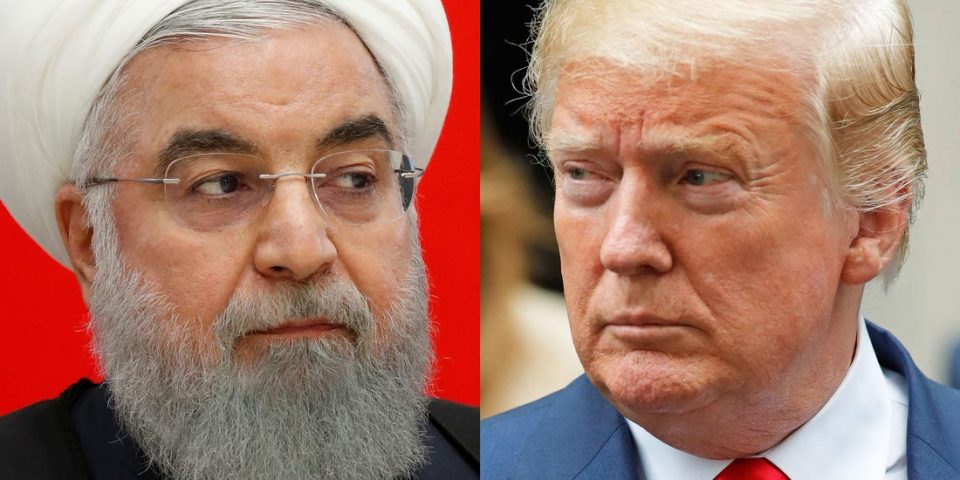
According to reports, the proposed agreement forms part of a broader peace framework facilitated by US President Donald Trump and supported by regional mediators. In exchange, the United States is expected to release approximately $25 billion in frozen Iranian assets.
Sources familiar with the negotiations indicated that Washington and Tehran could electronically endorse a memorandum of understanding within days, paving the way for more comprehensive talks on Iran’s nuclear program and broader regional security issues.
Hormuz Reopening Seen as Economic Lifeline
One of the most significant elements of the proposed arrangement is the planned reopening of the Strait of Hormuz, a critical maritime route through which nearly one-fifth of global oil supplies pass.
The waterway has witnessed severe disruptions during the three-and-a-half-month conflict, contributing to volatility in global energy markets and raising concerns among major oil-importing nations.
Officials involved in the mediation efforts believe the reopening of the route could help stabilize international oil prices and restore confidence in global shipping operations.
Trump and Pakistan Announce Progress
President Trump and Pakistani Prime Minister Shehbaz Sharif both indicated over the weekend that negotiations had reached an advanced stage.
Sharif stated that preparations were underway for the electronic signing of the agreement, describing the parties as being closer to peace than at any previous point since the conflict began.
Pakistani officials noted that while the proposed deal would not immediately resolve every dispute between Tehran and Washington, it would establish a 60-day framework for technical discussions aimed at addressing outstanding concerns.
Frozen Assets and Shipping Restrictions Under Review
As part of the understanding, the United States is expected to unfreeze $25 billion in Iranian assets that have remained inaccessible due to sanctions.
Reports also suggest Washington may ease restrictions on Iranian-linked shipping activities, particularly vessels operating through the Strait of Hormuz.
Analysts view these measures as confidence-building steps designed to encourage continued diplomatic engagement while reducing the risk of renewed hostilities.
Qatar Joins Final Push for Agreement
Diplomatic sources revealed that Qatari negotiators arrived in Tehran to assist in finalizing the agreement. Qatar has played a significant mediating role throughout the crisis and is reportedly coordinating closely with both Washington and Tehran.
A formal signing ceremony could take place in Geneva, Switzerland, where previous rounds of negotiations were held before the conflict escalated earlier this year.
Vice President JD Vance is expected to lead the American delegation if the ceremony proceeds, while Iran may be represented by senior parliamentary and diplomatic officials.
Uncertainty Remains Despite Optimism
Despite growing optimism, some uncertainty persists. Iran’s Foreign Ministry has publicly denied reports that its negotiating team is preparing for immediate travel abroad, creating questions about the exact timeline for finalizing the agreement.
The diplomatic developments also come amid renewed regional tensions. Israel announced fresh military operations against Hezbollah targets in Lebanon, while Tehran has repeatedly insisted that any lasting arrangement with Washington must address Israeli military actions in the region.
Global Attention Focused on Next Steps
With financial markets, energy traders, and international governments closely monitoring developments, the coming days are expected to determine whether the proposed framework can evolve into a lasting agreement.
If finalized, the deal would mark one of the most significant diplomatic achievements in recent years, potentially reducing tensions in the Middle East, restoring critical energy routes, and opening a new chapter in US-Iran relations after months of conflict and uncertainty.
