

By DAYO ADESULU
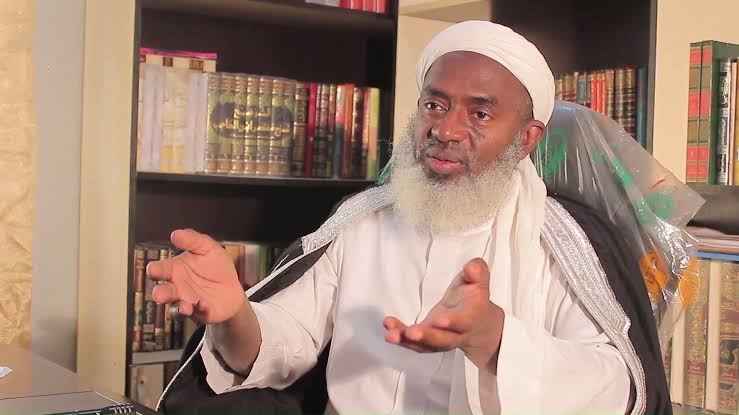
Controversial Islamic cleric, Sheikh Ahmad Gumi, has questioned why no official of President Bola Tinubu’s administration has engaged Boko Haram insurgents and armed bandits through dialogue, drawing comparisons with previous peace efforts involving Niger Delta militants under former administrations.
The cleric made the remarks in a Facebook post on Saturday, arguing that past governments adopted direct engagement alongside security measures to address militancy in the oil-producing Niger Delta.
Gumi Compares Current Strategy With Niger Delta Peace Efforts
According to Gumi, former President Goodluck Jonathan and former Vice President Yemi Osinbajo both visited militant groups in the Niger Delta creeks and introduced programmes that contributed to reducing violence in the region.
He recalled that the engagements eventually paved the way for initiatives aimed at restoring peace.
“The former President Jonathan visited delta militants in the creeks, so also the former vice president Osinbajo. They all came up with a program to tame the militants,” Gumi wrote.
The Islamic scholar then questioned why a similar strategy has not been considered in addressing insurgency and banditry in northern Nigeria.
“Who is going to visit BH and Bandits to tame them without fools castigating them?” he asked.
Longstanding Advocacy for Dialogue
Sheikh Gumi has consistently maintained that negotiations with armed groups should complement military operations in tackling insecurity across Nigeria’s North-West and North-East.
Over the years, he has visited camps believed to be occupied by armed bandits, particularly in Zamfara State, explaining that his objective was to understand their grievances and encourage peaceful resolutions.
His position has continued to generate debate across the country.
Critics argue that engaging with criminal groups risks legitimising organisations accused of killings, kidnappings and other violent crimes. However, supporters contend that some of his interventions reportedly contributed to the release of kidnapped victims and opened channels for negotiations.
The retired military officer has repeatedly denied allegations of supporting terrorism or banditry, insisting that his advocacy is aimed solely at ending violence through dialogue, rehabilitation and reintegration.
History of the Niger Delta Amnesty Programme
Nigeria’s Niger Delta Amnesty Programme was introduced in 2009 during the administration of the late President Umaru Musa Yar’Adua and was sustained under President Goodluck Jonathan.
The initiative encouraged thousands of militants to surrender their weapons in exchange for vocational training, monthly stipends and reintegration support. The programme was widely credited with significantly reducing attacks on oil facilities and improving security in the Niger Delta.
Jonathan had earlier held discussions with key militant leaders, including Government Ekpemupolo, popularly known as Tompolo, during visits to the Niger Delta creeks. He later stated that those engagements helped lay the foundation for the amnesty programme.
Similarly, in 2017, then Acting President Yemi Osinbajo visited Niger Delta communities, where he met militants, traditional rulers and community leaders.
At the time, Osinbajo defended the engagements, saying the people in the creeks were Nigerian citizens whose grievances required attention alongside ongoing security operations.
Why This Matters
Sheikh Gumi’s latest comments have reignited the national conversation over how Nigeria should confront insecurity. While successive governments have relied heavily on military operations against Boko Haram insurgents and armed bandits, calls for dialogue remain controversial, with many Nigerians divided over whether negotiations could help restore lasting peace or inadvertently embolden criminal groups.
As insecurity continues to challenge communities across northern Nigeria, the debate over the balance between military action and dialogue is likely to remain a significant national issue.
Frequently Asked Questions
What did Sheikh Gumi say?
He questioned why no official of the Tinubu administration has visited Boko Haram insurgents or armed bandits for peace discussions, unlike previous engagements with Niger Delta militants.
Has Gumi supported dialogue before?
Yes. He has consistently advocated negotiations with armed groups, arguing that dialogue should complement military operations.
Why is his position controversial?
Critics believe negotiating with armed groups could legitimise criminal activities, while supporters argue dialogue has, in some cases, helped secure the release of kidnapped victims.
Conclusion
Sheikh Gumi’s remarks have revived discussions about Nigeria’s security strategy, particularly whether dialogue should play a greater role in addressing insurgency and banditry. Although previous administrations combined engagement with security measures in the Niger Delta, opinions remain sharply divided over whether a similar model can be applied to the security challenges confronting northern Nigeria today.
#Nigeria #SheikhGumi #Tinubu #BokoHaram #Banditry #NationalSecurity #PeaceTalks #TheCheerNews
