

By DAYO ADESULU
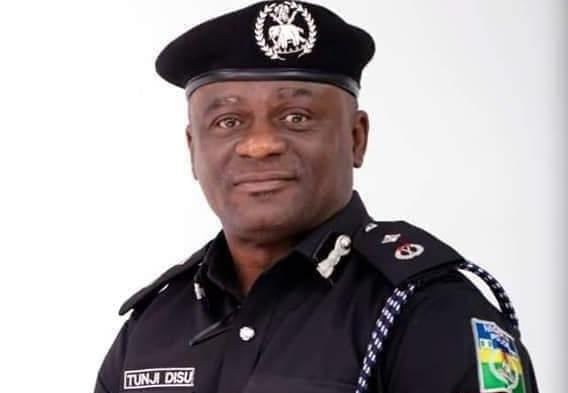
Nigeria’s new Inspector-General of Police, Tunji Disu, has ordered the immediate disbandment of all police units and squads operating across state commands, in what is shaping up to be one of the most sweeping reforms in the history of the Nigeria Police Force.
The directive, which takes immediate effect nationwide, signals a bold attempt to overhaul policing structures, restore discipline, and rebuild public confidence in law enforcement.
Police Unit Disbandment Takes Immediate Effect Nationwide
Under the new order, all tactical squads, ad-hoc units, and special teams operating under state commands have been dissolved.
These units, many of which were created to address evolving security threats such as kidnapping, armed robbery, and violent crimes, will no longer function independently.
Instead, officers attached to these squads are to be redeployed into conventional policing departments, including investigations, patrol, and intelligence.
The police unit disbandment directive has already been communicated to Commissioners of Police across all states, with strict instructions for immediate compliance and reporting.
Sweeping Restructuring Begins Across State Commands
Beyond dissolving the units, IGP Disu has ordered a comprehensive restructuring of police operations nationwide.
The restructuring focuses on:
- Centralizing command and control structures
- Eliminating duplication of duties across units
- Strengthening supervision and accountability
- Reassigning personnel into clearly defined roles
This move is designed to ensure that all police operations align with standardized procedures under direct command authority.
Ending Era of Fragmented Policing
The police unit disbandment comes after years of public concern over the activities of certain police squads accused of misconduct, abuse of power, and lack of oversight.
Many of these units operated with limited supervision, creating operational gaps and accountability challenges.
By dissolving them, the new IGP aims to end fragmented policing and replace it with a unified, disciplined system.
Security analysts say this decision directly addresses long-standing structural weaknesses within the force.
No Disruption to Ongoing Security Operations
Despite the sweeping nature of the reform, authorities have assured Nigerians that security operations will continue without interruption.
Officers are already being reassigned to ensure that patrols, investigations, and emergency response activities remain active across the country.
Police leadership insists that the restructuring will improve efficiency, coordination, and response time, rather than weaken security coverage.
Disu’s Reform Agenda Gains Momentum
Since assuming office in February 2026, IGP Disu has consistently emphasized discipline, accountability, and professionalism as the pillars of his leadership.
His appointment followed the resignation of former IGP Kayode Egbetokun, marking a significant transition in Nigeria’s policing leadership.
Observers believe this latest directive signals that the new police chief is moving quickly to implement structural reforms.
A Critical Test for Nigeria’s Police Reform
The police unit disbandment is widely seen as a defining moment for Nigeria’s security architecture.
However, experts warn that the success of the reform will depend heavily on:
- Effective implementation
- Continuous monitoring
- Officer training and welfare
- Transparency and accountability
For many Nigerians, the real impact will be measured by improved conduct, reduced abuse, and faster response to security threats.
As the restructuring unfolds nationwide, attention will remain on whether the Nigeria Police Force can translate this bold directive into meaningful change on the ground.
#TunjiDisu #PoliceReform #NigeriaPolice #BreakingNews #SecurityReform #Nigeria #IGPDisu
