

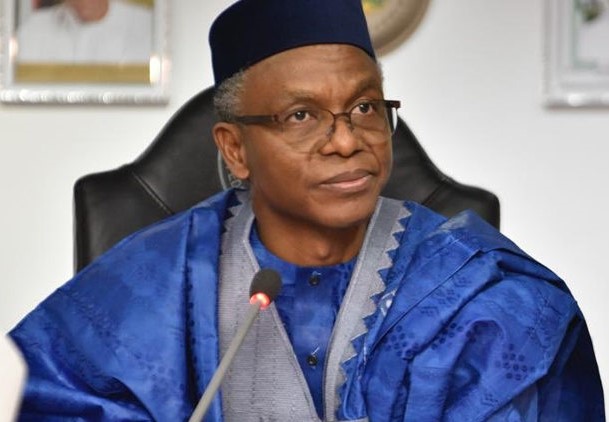
By DAYO ADESULU
El-Rufai alleges political condition tied to release
Former Kaduna State Governor, , has told a court that officials of the (ICPC) instructed him to stay away from the 2027 political cycle as part of conditions tied to his release.
The explosive claim, now drawing nationwide attention, places the ICPC at the center of a growing controversy over alleged political interference in anti-corruption investigations. El-Rufai made the disclosure while addressing the court during proceedings related to his recent detention and release.
According to him, the directive was not formalized in any written document but was clearly communicated during interactions with ICPC officials.
Court hears details of alleged warning
During the hearing, El-Rufai stated that shortly before his release, he was advised to “maintain a low political profile” and avoid any involvement in activities linked to the 2027 general elections.
He argued that the condition raises serious constitutional questions, especially regarding citizens’ rights to political participation. The former governor insisted that no agency has the legal authority to restrict his political ambitions without a court order.
Legal observers in the courtroom noted that the claim, if proven, could reshape ongoing debates around the independence of anti-corruption agencies in Nigeria.
ICPC yet to issue official response
As of the time of filing this report, the ICPC has not issued an official response to El-Rufai’s allegations. However, sources within the commission have reportedly dismissed the claims as “misleading,” insisting that all actions taken against the former governor followed due process.
Still, the absence of a clear public statement has fueled speculation and intensified public scrutiny.
Political analysts say the situation demands transparency, especially given El-Rufai’s influence within the ruling political structure and his perceived role in shaping the future of national leadership.
Rising tension ahead of 2027 elections
The El-Rufai ICPC controversy is unfolding at a time when political alignments ahead of the 2027 elections are already gaining momentum. His name has repeatedly surfaced in discussions about potential power blocs and strategic alliances.
Because of this, the alleged instruction to avoid politics has triggered concerns among his supporters, who view it as an attempt to sideline a key political figure.
Some civil society groups have also reacted, calling for an independent probe into the matter. They argue that anti-corruption agencies must remain neutral and avoid actions that could be interpreted as politically motivated.
Legal experts weigh constitutional implications
Several constitutional lawyers have weighed in on the issue, emphasizing that any restriction on political participation must be backed by law.
One senior advocate noted that even individuals under investigation retain their civil rights unless a competent court rules otherwise. Therefore, any informal directive suggesting political withdrawal could be challenged as unlawful.
The development, they say, may set a precedent for how public office holders and political actors engage with anti-corruption institutions moving forward.
Public reaction grows across Nigeria
Across Nigeria, reactions have been mixed. While some citizens believe anti-corruption agencies must adopt strict measures to curb abuse of power, others warn against using such institutions as tools for political control.
On social media, the phrase “El-Rufai ICPC controversy” has begun trending, with users debating the credibility of the claim and its implications for democracy.
Supporters of El-Rufai have described the allegation as “deeply troubling,” while critics have urged caution, insisting that all facts must be established before drawing conclusions.
What happens next?
As the court proceedings continue, attention will remain firmly on both El-Rufai and the ICPC. Observers expect the commission to eventually clarify its position, especially as pressure mounts from legal, political, and civil society circles.
For now, the case underscores a broader issue — the delicate balance between fighting corruption and preserving democratic freedoms.
If the allegations are substantiated, they could spark significant institutional reforms. On the other hand, if disproven, they may still leave lingering questions about trust and transparency in Nigeria’s anti-corruption framework.
Either way, the unfolding El-Rufai ICPC controversy is shaping up to be one of the defining political stories as the country gradually moves toward the 2027 elections.
#ElRufai #ICPC #NigeriaPolitics #2027Elections #AntiCorruption #KadunaPolitics #BreakingNews #TCNews
