

By DAYO ADESULU
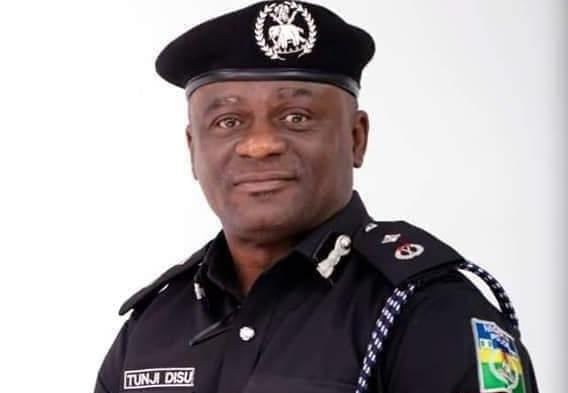
Nigeria’s policing landscape may be on the verge of its most significant transformation in decades as Inspector-General Disu inaugurates the State Police Implementation Committee, setting the stage for a sweeping decentralisation of the nation’s security architecture.
The inauguration marks a decisive shift toward restructuring the country’s policing framework, amid growing calls for state-controlled law enforcement to address rising insecurity across various regions.
Inspector-General Disu Inaugurates State Police Implementation Committee
At a high-level ceremony held in Abuja, Inspector-General formally inaugurated the State Police Implementation Committee, describing the move as “a necessary evolution” in Nigeria’s security management.
The Inspector-General stressed that the committee will serve as a strategic think tank tasked with developing practical frameworks for the operationalisation of state policing across the federation.
According to him, decentralising policing is no longer a theoretical debate but a practical necessity. He explained that Nigeria’s complex security challenges require localised solutions driven by community-based intelligence and swift response systems.
“The centralised model has served the nation for decades,” he noted. “However, the realities on ground demand a more adaptive, locally responsive structure.”
Why Decentralised Policing Now?
For years, stakeholders — including governors, security experts, and civil society groups — have advocated for state police as a means to enhance accountability and rapid intervention. Proponents argue that local authorities understand their terrains better and can respond more effectively to threats.
Inspector-General Disu acknowledged these concerns, pointing out that crime patterns vary significantly across states. Therefore, a one-size-fits-all security approach has proven increasingly inadequate.
He also emphasised that decentralisation does not mean weakening federal oversight. Instead, it aims to create a collaborative security ecosystem where federal and state commands operate with defined roles and mutual accountability.
Mandate of the Implementation Committee
The newly inaugurated committee has been assigned a clear roadmap. First, it will review existing constitutional provisions relating to policing powers. Next, it will propose structural models that define command hierarchies between federal and state authorities.
Additionally, the committee will recommend funding frameworks to ensure sustainability without overburdening state finances. Training standards, recruitment processes, and oversight mechanisms will also form key pillars of the committee’s work.
Sources within the police hierarchy indicate that the committee includes senior officers, legal experts, and representatives from relevant government institutions.
Importantly, Inspector-General Disu charged members to deliver measurable outcomes within a defined timeline. He urged them to consult widely with stakeholders, including state governments and traditional institutions.
Balancing Reform With National Unity
While the move has drawn commendation, it also raises concerns among critics who fear potential political misuse of state police structures.
Addressing these fears, the Inspector-General assured Nigerians that safeguards would be embedded in the proposed framework. He stressed that the decentralised structure must uphold professionalism, human rights, and operational independence.
Security analysts believe that the success of this initiative will depend largely on clear constitutional amendments and bipartisan political support.
Furthermore, experts argue that proper checks and balances must be entrenched to prevent the weaponisation of state security apparatus against political opponents.
A Turning Point for Nigeria’s Security Architecture
The inauguration of the State Police Implementation Committee signals what many observers describe as a turning point in Nigeria’s security evolution.
If implemented effectively, decentralised policing could improve intelligence gathering, foster community trust, and accelerate emergency response times. However, the path ahead requires careful planning, legislative backing, and strong institutional discipline.
Inspector-General Disu concluded the ceremony with a call for unity and professionalism. He reiterated that reforming Nigeria’s policing structure remains central to restoring public confidence in law enforcement.
As the committee begins its work, Nigerians will closely watch how this bold reform unfolds — and whether it finally delivers the long-debated promise of state-controlled policing.
#StatePolice #PoliceReform #NigeriaSecurity #IGDisu #SecurityRestructuring
