

By DAYO ADESULU
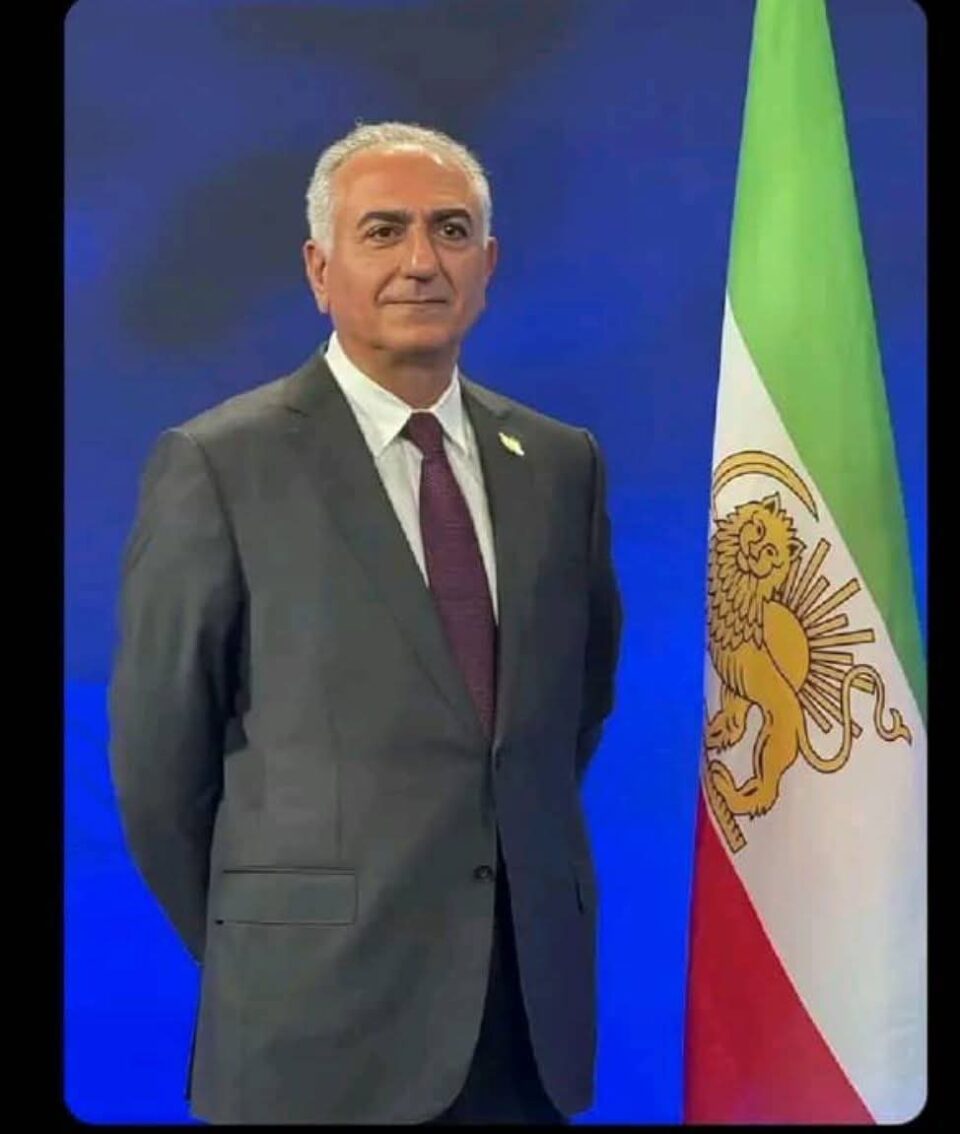
Iran has entered a dramatic new chapter in its political history following the reported death of its long-time Supreme Leader, Ayatollah Ali Khamenei. In a development that is already reshaping conversations across the Middle East and beyond, Reza Pahlavi has emerged as the country’s new President.
The announcement marks a stunning political shift in a nation that has been governed under an Islamic Republic system since 1979. For decades, Pahlavi lived in exile, openly criticizing Iran’s ruling clerical establishment. Now, circumstances have thrust him into a position of national leadership at a time of uncertainty and intense global scrutiny.
From Exile to Leadership
Reza Pahlavi was born on October 31, 1960, in Tehran. He is the eldest son of Mohammad Reza Shah Pahlavi and Farah Diba, Iran’s last ruling monarch and empress before the 1979 revolution.
When the Iranian Revolution swept through the country, the monarchy collapsed. His father fled the country, and the royal family’s decades-long rule came to an abrupt end. As a teenager, Reza Pahlavi left Iran and eventually settled in the United States, where he began building a life far removed from the palaces of Tehran.
While in America, he trained as a fighter pilot at Reese Air Force Base in Texas. Later, he pursued higher education, earning a degree in political science from the University of Southern California. However, despite living abroad, he never distanced himself from Iranian politics.
Instead, Pahlavi consistently positioned himself as a voice for change. Over the years, he advocated for secular democracy, free elections, gender equality, and human rights reforms in Iran. Supporters often described him as a symbol of national unity, while critics questioned whether a former crown prince could genuinely represent a modern democratic movement.
A Historic Transition After Khamenei
The death of Ayatollah Ali Khamenei has left a major leadership vacuum. As Iran’s Supreme Leader for decades, Khamenei wielded immense authority over political, military, and religious institutions. His passing inevitably triggered questions about succession and the future direction of the country.
Now, with Reza Pahlavi stepping into the presidency, Iran appears to be at a crossroads. The move signals either a dramatic restructuring of the political system or the beginning of a transitional period that could redefine the balance of power within the country.
Observers note that Pahlavi has repeatedly stated he does not seek absolute rule or the restoration of monarchy without the will of the Iranian people. Instead, he has called for a referendum and a democratic framework that allows citizens to determine their own governance model.
Nevertheless, the optics remain striking. The son of the last Shah, once forced into exile by revolution, now assumes leadership after the death of the man who symbolized the Islamic Republic for millions.
Global Reactions and Regional Implications
International leaders are closely monitoring developments in Tehran. Iran plays a central role in Middle Eastern geopolitics, influencing regional conflicts, energy markets, and global diplomacy. Any change in leadership carries ripple effects far beyond its borders.
If Pahlavi moves swiftly toward political reform, relations with Western nations could shift significantly. On the other hand, internal resistance from entrenched political and military structures could complicate any reform agenda.
Within Iran, public sentiment remains complex. Some citizens may see this transition as an opportunity for renewal and openness. Others may approach it with caution, mindful of the country’s turbulent political history.
A Nation at a Turning Point
For more than four decades, Reza Pahlavi’s life unfolded far from Iranian soil. He lived as a political exile, advocating for change from abroad. Now, history has taken an unexpected turn.
Iran stands at a defining moment. The combination of Khamenei’s death and Pahlavi’s emergence as President signals more than a leadership change; it reflects a potential transformation of the nation’s identity and direction.
Whether this marks the beginning of democratic reforms or the start of a new political struggle remains to be seen. What is clear, however, is that Iran’s future has entered uncharted territory.
Indeed, life — and politics — can be profoundly mysterious.
