

By DAYO ADESULU
Labour Union Demands Reversal of 50% Increase, Warns of Possible Boycott
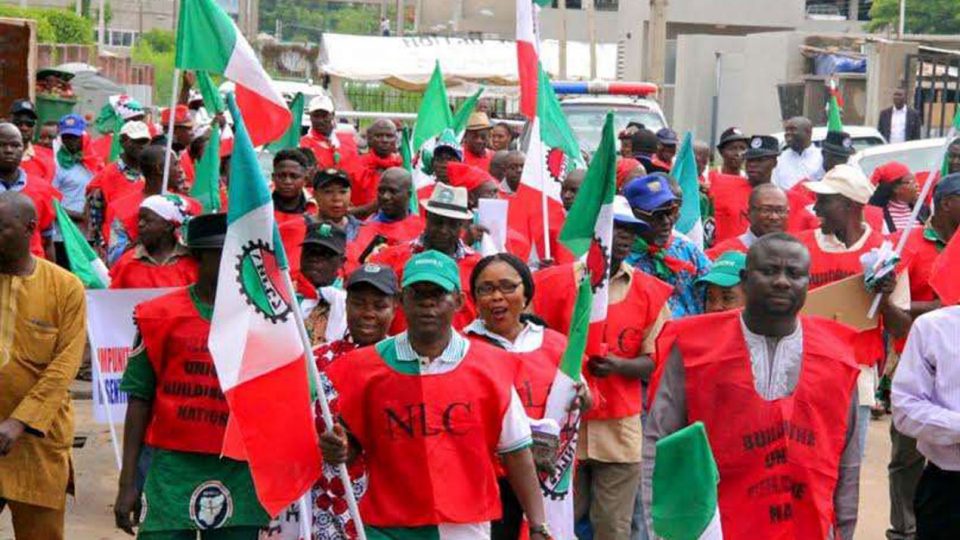
The Nigeria Labour Congress (NLC) has declared a nationwide protest on February 4, 2025, in response to the 50% increase in telecom tariffs approved by the Nigerian Communications Commission (NCC).
The announcement, made in a communiqué signed by NLC President Joe Ajaero, followed a National Administrative Council (NAC) meeting on January 29. Civil society organizations have also pledged support for the demonstration, condemning the hike as unjust.
Labour Rejects ‘Insensitive’ Tariff Hike
Ajaero criticized the Federal Government’s approval of the tariff increase, branding it an assault on workers and citizens already struggling with economic hardship.
“This decision is insensitive, unjustifiable, and a direct attack on Nigerians, who are already burdened by high fuel prices, rising inflation, and increased electricity tariffs,” Ajaero stated.
The NLC is demanding an immediate reversal of the hike and has warned that failure to comply could lead to a nationwide boycott of telecom services.
Civil Society Groups Back NLC’s Protest
Organizations such as the Civil Society Legislative and Advocacy Centre (CISLAC), National Civil Society Council of Nigeria (NCSCN), and Take It Back Movement have thrown their weight behind the NLC, pledging full participation in the February 4 protest.
CISLAC Executive Director, Auwal Musa Rafsanjani, said:
“We stand with the Nigerian people against multinational corporations and their government collaborators who continue to exploit the masses.”
Similarly, NCSCN Executive Director, Blessing Akinlosotu, announced plans to picket the Federal Competition and Consumer Protection Council (FCCPC) to protest what he called “economic suffocation” caused by rising costs.
Telecom Operators Push Back Against NLC’s Protest
The Association of Telecommunications Companies of Nigeria (ATCON) has criticized the planned protest, arguing that telecom providers have been unfairly singled out despite similar price hikes in other sectors.
ATCON Chairman, Tony Emoekpere, questioned:
“When the prices of tomatoes, onions, or bread increased, did we see protests? When transport fares rose due to fuel costs, did NLC take to the streets?”
He emphasized that telecom operators have absorbed rising operational costs for years and should not be scapegoated.
What Happens Next?
With both labour and civil society groups standing firm on their demand for a reversal, and telecom operators defending the hike, tensions are expected to escalate in the coming days.
If the government fails to engage in dialogue, the NLC has threatened more drastic actions, including a nationwide telecom service boycott and a possible general strike.
