

By DAYO ADESULU
Intelligence reports warn of imminent conflict amid collapsed nuclear talks and renewed U.S. sanctions
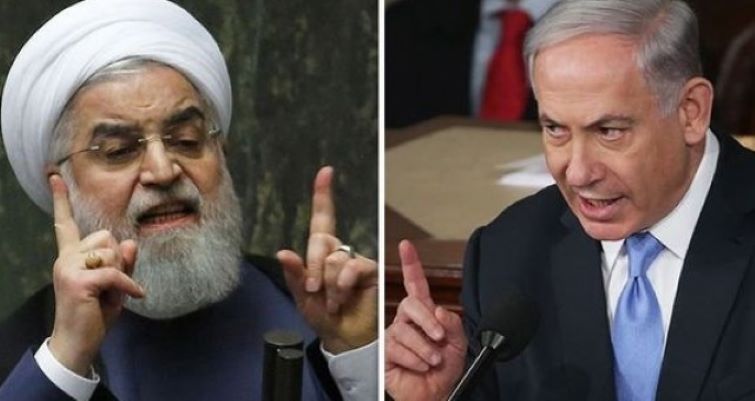
Regional intelligence agencies and security analysts have issued stark warnings that the standoff between Israel and Iran is nearing a breaking point, with a direct military confrontation now deemed “imminent” unless urgent diplomatic action is taken.
According to a New York Times investigation published on Sunday, November 9, 2025, sources across the Middle East say Israel is preparing contingency plans for preemptive strikes after evidence emerged that Iran’s nuclear weapons program remains active despite devastating U.S. attacks earlier this year.
After U.S. Strikes, Iran’s Nuclear Program Persists
In June 2025, President Donald Trump announced that American airstrikes had “obliterated” Iran’s nuclear enrichment capabilities. Yet, Western and regional intelligence assessments now suggest otherwise.
Analysts believe that the core infrastructure of Iran’s program survived the bombardment, with portions of its uranium stockpile relocated to undisclosed facilities. The expiration of the 2015 nuclear accord in October — coupled with the collapse of talks in Vienna — has reinstated full U.S. and EU sanctions, isolating Tehran while leaving its enrichment activities unmonitored.
Officials say Iran’s current uranium reserves, enriched to 60 percent purity, could be enough to produce up to 11 nuclear weapons. This buildup, paired with Tehran’s refusal to allow access to inspectors from the International Atomic Energy Agency (IAEA), has heightened global anxiety that Israel may soon strike to neutralize what it views as an existential threat.
The “Pickaxe Mountain” Facility Raises Alarms
At the center of renewed scrutiny is a covert Iranian project dubbed Pickaxe Mountain, a new enrichment site near the Natanz complex. Multiple intelligence sources confirm that Iran has barred IAEA inspectors from entering the facility — and at least three other undisclosed locations — deepening suspicions about Tehran’s long-term nuclear ambitions.
Satellite imagery and regional reports indicate that roughly 400 kilograms of enriched uranium survived the summer strikes, though its current location remains unknown. Iranian Foreign Minister Abbas Araghchi has dismissed Washington’s demands to halt enrichment as “unacceptable,” reiterating that Iran would only engage in indirect talks if the U.S. provides “security guarantees and reparations for unlawful aggression.”
Fears of a Multi-Front War Grow
Security analysts warn that Iran’s Revolutionary Guard has escalated its missile production to around-the-clock operations, preparing to launch up to 2,000 rockets simultaneously in any confrontation — a move designed to overwhelm Israel’s Iron Dome and David’s Sling defense systems.
Ali Vaez, an Iran expert with the International Crisis Group, told The New York Times that Tehran’s new posture reflects “a shift toward deterrence through saturation,” predicting a far larger retaliation than the 500-missile barrage launched during the June conflict.
“This is not mere posturing,” Vaez said. “Iran wants to demonstrate that it can absorb a strike and still retaliate massively. The risk of miscalculation on either side is dangerously high.”
Diplomacy Falters, War Clouds Gather
Despite calls from Washington and Brussels for restraint, both nations appear locked in a spiral of provocation and mistrust. Israeli Prime Minister Benjamin Netanyahu reportedly told allies that “no nation can tolerate a nuclear-armed Iran,” while Tehran has vowed “a crushing response” to any Israeli aggression.
With the Biden-era nuclear deal defunct, Iran’s weapons development appears to be accelerating beyond the reach of Western oversight. Analysts fear that without new diplomatic channels or international pressure, a regional war involving Israel, Iran, and U.S. forces could erupt within weeks.
As one senior intelligence official put it:
“The lights of diplomacy are dimming fast. What comes next could reshape the Middle East for a generation.”
#IsraelIranConflict #MiddleEastTensions #NuclearCrisis #T
rumpSanctions #IranNuclearProgram #WorldNews
