

By DAYO ADESULU
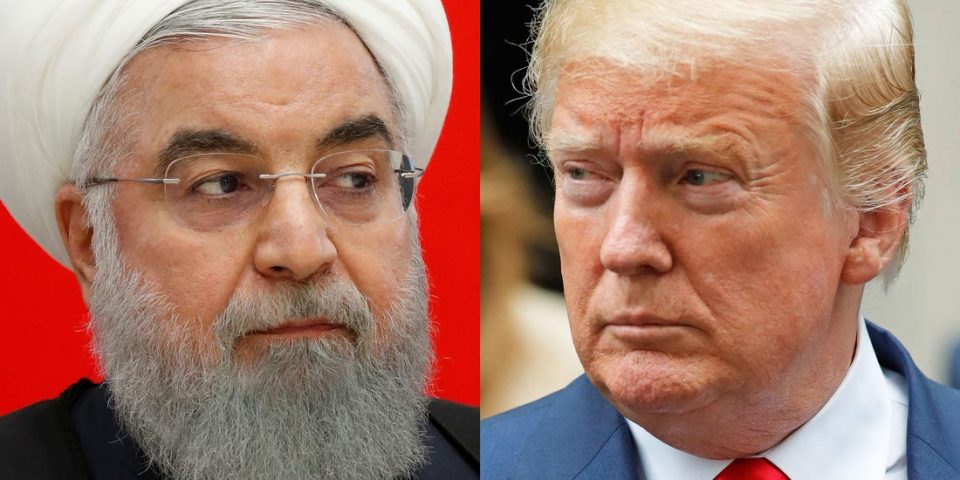
Fresh diplomatic efforts between the United States and Iran ended in stalemate on Friday after high-stakes negotiations in Geneva broke down, deepening uncertainty over the future of Tehran’s nuclear programme and the prospect of renewed sanctions pressure.
The US-Iran Geneva talks concluded without agreement after Washington reportedly tabled sweeping demands that Iranian officials swiftly rejected. According to reports from the Wall Street Journal, the United States called for the dismantlement of Iran’s three major nuclear facilities — Fordow Fuel Enrichment Plant, Natanz Nuclear Facility, and Isfahan Nuclear Technology Center — as part of a permanent deal.
In addition, US negotiators reportedly demanded that Iran hand over all remaining enriched uranium stockpiles to the United States and agree to restrictions that would not expire over time. The proposal marks a tougher stance compared to the 2015 nuclear agreement negotiated under former President Barack Obama, which included sunset clauses allowing certain restrictions to phase out.
Iran Pushes Back, Offers Conditional Concessions
Iran rejected the sweeping demands but signaled openness to compromise. Tehran’s delegation indicated a willingness to abandon efforts related to nuclear weapons development. However, Iranian officials insisted that any such concession must be matched by the full removal of US economic sanctions and the cancellation of United Nations Security Council resolutions targeting the country.
That position immediately created friction. US officials reportedly viewed Iran’s conditions as unacceptable, especially given ongoing concerns about Tehran’s broader military capabilities.
While discussions were still underway in Geneva, US Vice President JD Vance publicly raised alarms about Iran’s nuclear intentions.
“We see evidence that Iran is trying to rebuild nuclear weapons,” Vance said, underscoring Washington’s skepticism about Tehran’s assurances.
His remarks signaled a hardening tone from the US administration and suggested that trust between the two sides remains fragile.
Rubio Flags Missile Concerns
Meanwhile, US Secretary of State Marco Rubio did not conceal his frustration. Speaking during the negotiations, Rubio expanded the scope of US concerns beyond nuclear enrichment.
“Iran is trying to achieve intercontinental ballistic missiles,” Rubio stated. He further warned that Iran already possesses conventional weapons systems capable of striking American targets.
Perhaps most critically, Rubio described Iran’s refusal to discuss ballistic missile development during the Geneva talks as “a big, big problem.” His comments underscored Washington’s view that any comprehensive agreement must address not only nuclear infrastructure but also missile capabilities.
That broader approach appears to have widened the gap between the negotiating teams.
American Delegation Departs Geneva
By the close of discussions, reports emerged that the American delegation had left Switzerland, effectively ending the current round of US-Iran Geneva talks. Neither side announced a formal collapse, but diplomatic sources confirmed that no breakthrough had been achieved.
The abrupt end to the talks casts fresh uncertainty over the future of nuclear diplomacy between the two long-time adversaries. Tensions have simmered for years, particularly after the US withdrew from the 2015 nuclear agreement and reimposed sweeping sanctions on Tehran.
The latest breakdown suggests that positions on both sides remain deeply entrenched.
Tehran Signals Vienna Follow-Up
Despite the impasse, Iran’s Foreign Minister Abbas Araghchi indicated that diplomatic channels remain open. He announced that a new round of negotiations, including technical teams, is scheduled to take place in Vienna starting Monday.
However, he made clear that further progress depends on Washington’s willingness to consider Iranian proposals.
The planned Vienna meeting could offer a narrow window to salvage talks. Yet with public rhetoric escalating and both sides hardening their positions, analysts say bridging the divide may prove difficult.
High Stakes for Global Stability
The collapse of the US-Iran Geneva talks comes at a delicate moment for global security. Iran’s nuclear capabilities remain under intense international scrutiny, while US policymakers continue to frame the issue as a critical national security concern.
At the heart of the dispute lies a fundamental disagreement: Washington seeks permanent and verifiable dismantlement of key nuclear infrastructure, while Tehran demands economic relief and recognition of its sovereignty in return for concessions.
As diplomatic efforts shift toward Vienna, the international community will closely watch whether negotiators can find common ground or whether tensions will escalate further.
For now, peace hangs in the balance as both nations weigh their next moves.
#USIranTalks #GenevaNegotiations #IranNuclearDeal #GlobalSecurity #Diplomacy
