

By DAYO ADESULU
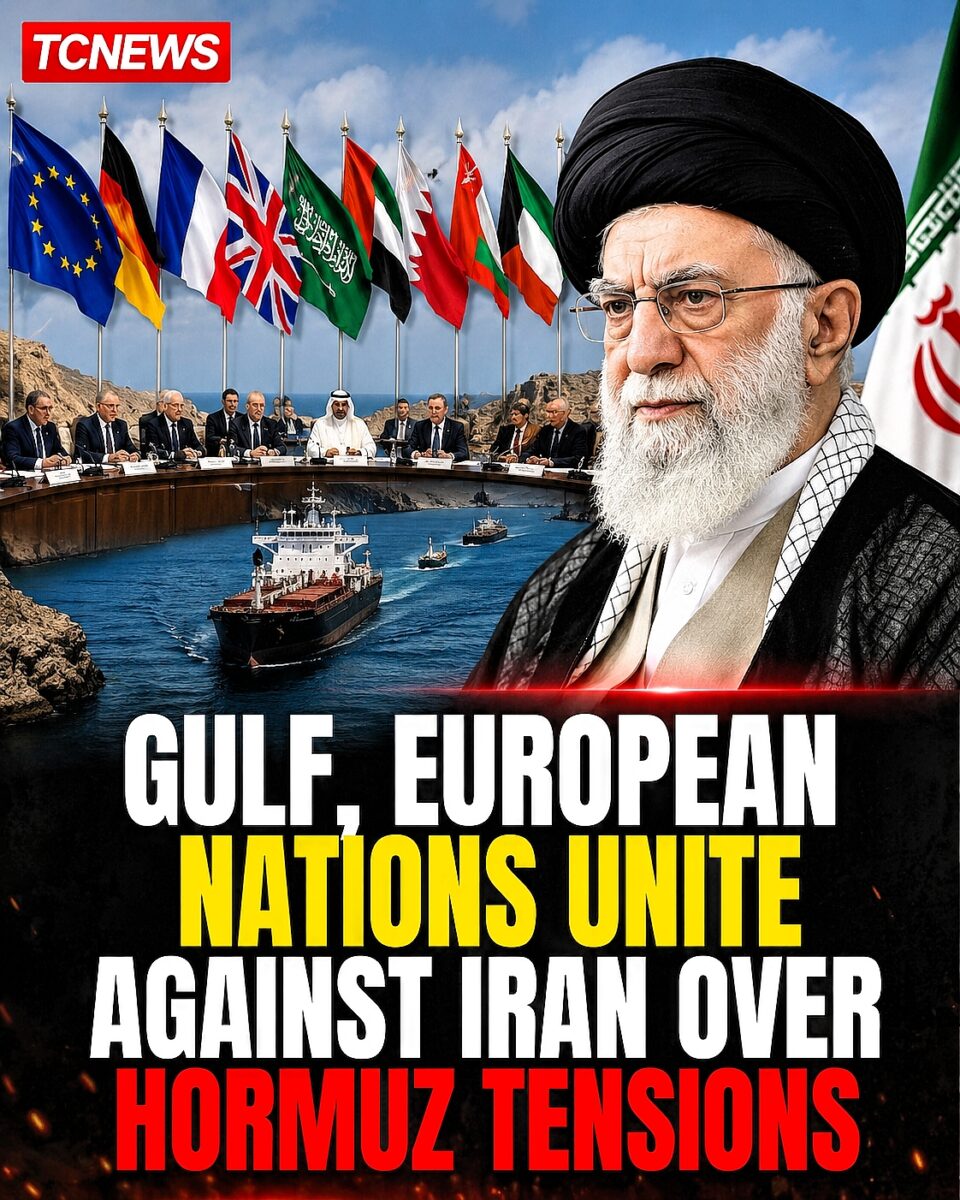
A coalition of Gulf and European countries has issued a strong joint statement condemning what it described as Iran’s attacks on commercial vessels transiting the Strait of Hormuz and actions affecting regional territories, marking a significant escalation in international diplomatic pressure on Tehran.
The countries reaffirmed their commitment to the principle of freedom of navigation under international law, insisting that the Strait of Hormuz must remain open to global shipping without intimidation, obstruction, or unlawful restrictions.
In the statement, the governments rejected any unilateral sovereignty claims or attempts to impose transit fees on vessels passing through the strategic waterway, stressing that such measures violate internationally recognised maritime laws.
The coalition called on Iran to immediately halt all forms of interference with commercial shipping and regional maritime activities, warning that continued disruptions could threaten global energy security and international trade.
The Strait of Hormuz is regarded as one of the world’s most strategically important maritime chokepoints, with roughly one-fifth of global oil supplies passing through the narrow passage each day. Any instability in the area often sends shockwaves through international energy markets and raises fears of wider military confrontation in the Gulf.
The joint declaration comes amid rising regional tensions and growing concerns over attacks on shipping routes, military deployments, and the potential for further escalation involving Iran and its regional and international rivals.
The signatories urged all parties to exercise restraint, respect international law, and pursue diplomatic solutions to prevent further deterioration of security in the Gulf.
Why This Matters
The coordinated response by Gulf and European nations signals increasing international unity over protecting one of the world’s busiest and most critical maritime routes. Any prolonged disruption in the Strait of Hormuz could affect global oil prices, international trade, and regional stability, making the situation one closely watched by governments and financial markets worldwide.
