

By DAYO ADESULU
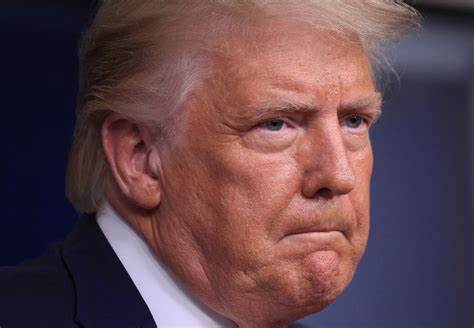
A high-powered United States congressional delegation landed in Abuja on December 7, signaling heightened diplomatic and security engagement between Washington and Nigeria. The visit came shortly after U.S. President Donald Trump issued a stern warning to Nigeria over alleged religious persecution, a development that thrust bilateral relations back into global focus.
A Visit Triggered by Rising International Concern
The US government team arrives in Nigeria at a time when conversations about rights abuses, counter-terrorism cooperation, and faith-based tensions are dominating global discourse. According to officials, the Nigerian government confirmed the arrival of the visiting lawmakers, describing the mission as part of ongoing diplomatic consultations aimed at strengthening security and stabilizing regional peace efforts.
The U.S. delegation includes Rep. Mario Díaz-Balart, Rep. Norma Torres, Rep. Scott Franklin, Rep. Juan Ciscomani, and Rep. Riley M. Moore. Their presence in Abuja marked the latest step in a series of engagements between both nations, following earlier meetings in Washington, D.C.
NSA Nuhu Ribadu Confirms the Mission
Nigeria’s National Security Adviser, Nuhu Ribadu, offered the first official confirmation through a statement shared on Facebook. He described the visit as a “fact-finding mission” consistent with the two countries’ shared priorities.
Ribadu explained that discussions focused on counter-terrorism, regional stability, and expanding the Nigeria–U.S. strategic security partnership. He noted that U.S. Ambassador to Nigeria, Richard Mills, attended the meeting, underscoring how important both governments consider the engagement.
“I’m optimistic this engagement will deepen trust, collaboration, and shared commitment to peace and security,” Ribadu said.
Key Issues on the Table
Sources close to the discussions revealed that the visit largely centered on:
Strengthening counter-terrorism cooperation
Enhancing regional stability across West Africa
Deepening the Nigeria–U.S. strategic security partnership
Addressing concerns surrounding religious freedom and governance
The timing of the visit is notable. It follows President Trump’s threat to take action against Nigeria over alleged violations of religious freedom, a statement that sparked debate across political and diplomatic circles.
For Abuja, the arrival of the U.S. delegation is seen as an opportunity to maintain dialogue, clarify sensitive issues, and reaffirm Nigeria’s commitment to democratic values.
International Scrutiny and Renewed Attention on Nigeria
The US government team arrives in Nigeria against a backdrop of increasing global concern over insecurity. The United States has intensified its monitoring of terrorism-related activities across the Sahel and West Africa, a region rocked by extremist violence, political instability, and humanitarian crises.
Ribadu’s optimism reflects Abuja’s broader strategy of leveraging international partnerships to confront security challenges that have persisted for more than a decade.
Background: Nigeria’s Battlefield Against Terror Financing
The visit revived conversations around Nigeria’s ongoing fight against terrorism financing. In 2024, the Federal Government released a list of 21 individuals and six Bureau de Change operators designated as terrorism financiers. Those named included Kaduna publisher Tukur Mamu, who is currently facing trial for allegedly aiding terrorists involved in the 2022 Abuja–Kaduna train attack.
Security analysts say the U.S. delegation’s mission signals Washington’s renewed interest in Nigeria’s internal security landscape, especially with rising global concerns about extremist activities.
Bilateral Relations Under the Spotlight
Observers note that Nigeria–U.S. relations have entered a new phase marked by more frequent diplomatic interactions and joint strategic initiatives. Although Trump’s warning created tension, the visit suggests both nations are intent on strengthening dialogue instead of drifting toward confrontation.
For Nigeria, maintaining constructive ties with Washington remains critical to tackling terrorism, improving governance, and attracting international support across multiple sectors.
What Comes Next?
Officials say the engagements will continue in the coming days, with more closed-door meetings expected. The outcome of these talks could shape the direction of Nigeria–U.S. relations moving into 2026, especially in areas such as counter-terrorism, human rights, governance reform, and faith-based freedoms.
As the US government team arrives in Nigeria, both sides appear keen on charting a path that prioritizes security, stability, and mutual respect—despite the recent diplomatic tension.
#Nigeria #UnitedStates #USDelegation #DonaldTrump #ReligiousFreedom #SecurityPartnership #CounterTerrorism #NigeriaUSRelations
